
Africa's Largest IPO This Decade Just Happened in Nairobi. Here’s what you need to know
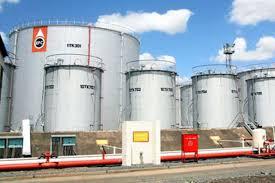
The Kenya Pipeline Company listing on March 9 ended an 18-year drought since Safaricom's IPO in 2008. It raised KES 106.3 billion, making it the largest initial public offering in East Africa this decade. But the story is bigger than the record numbers.
Here is what the listing actually tells us about where Kenya's markets stand today and who gets to participate.
KPC is not a speculative story. It is infrastructure with hard numbers behind it. The company operates 1,342 kilometres of petroleum pipeline across Kenya, with storage depots in Nairobi, Mombasa, Kisumu, Eldoret and Nakuru. It handles 90 percent of all petroleum products transported to Uganda. Without this network, fuel distribution across the region stops.
The financials reflect that strategic position. In the 2023/2024 financial year, KPC recorded revenue of KES 35.4 billion, a 15% increase from the previous year. Profit before tax rose 32 percent to KES 10 billion. Throughput volumes grew six percent to 9.1 billion litres. The company paid KES 7 billion in dividends to the National Treasury.
The macro environment supporting this listing has strengthened considerably. Central Bank of Kenya data shows foreign reserves at $14.59 billion, enough to cover 6.2 months of imports following the successful $2.25 billion Eurobond issuance. The shilling has traded at approximately 129.20 per US dollar, reflecting stability.
Frank Mwiti, CEO of the NSE, put the moment in context. "This is not just another listing. The last time a government brought a company to market was Safaricom in 2008. Back then, M-Pesa had 700,000 users. Today it has 34 million. The NSE market cap was under KES 1 trillion. Today we have surpassed KES 3 trillion."
The numbers bear this out. Investor applications reached 12.4 billion shares, pushing subscription to 105.7 percent. President William Ruto rang the bell at the NSE on March 9 to mark the commencement of trading. The IPO proceeds will seed the new National Infrastructure Fund, designed to attract KES 10 of private capital for every KES 1 of public money.
Kenyan institutional investors led by the National Social Security Fund and the Public Service Superannuation Fund absorbed 63 percent of the offer, worth approximately KES 67 billion. East African investors secured 32.6 percent, largely reflecting strategic participation by the Uganda National Oil Company, which acquired roughly a fifth of the company along with two board seats. Uganda will also hold veto powers over tariff adjustments, dividend policy changes and material amendments to the business plan.
Other investor groups largely remained on the sidelines. Despite a government target of attracting 2 million local retail investors, only about 73,000 applied, taking up approximately 3.9 percent of the offer. Oil marketing companies received minimal allocations, while foreign investors secured just 0.03 percent of the total.
Mwiti emphasized the regional significance. "A Kenyan state privatisation became a vehicle for East African cross-border capital integration. Sovereign and pension fund capital from across the region flowed into Nairobi's capital markets. That is the deeper story here."
Analysts point to several factors behind the limited retail uptake. The dividend policy shift drew scrutiny, with KPC committing to a 50 percent payout ratio compared to the 94.5 percent it historically distributed to the National Treasury as a State corporation.
Valuation also sparked debate, with independent estimates falling below the Sh9 offer price. Standard Investment Bank valued the stock at Sh5.61 per share, NCBA Investment Bank at approximately Sh6.35, and Old Mutual Investment Group Uganda at Sh4.61.
Institutional investors ultimately dominated the allocation, absorbing 63 percent of the offer, while the Uganda National Oil Company secured a strategic stake of roughly 20 percent along with two board seats.
Standard Investment Bank issued a buy recommendation for long-term investors, citing future growth initiatives including a new Mombasa-Nairobi pipeline and LPG infrastructure, but noted the stock offers less attraction for short-term traders given the reduced dividend payout and significant capital expenditure commitments.
But for the millions who watched from the sidelines this time, the landscape has already shifted.
On February 10, Safaricom launched Ziidi Trader, a mini app within M-Pesa that allows users to buy and sell NSE shares directly from their phones, and just days after pilot trading began, the NSE recorded 25,773 equity trades, the highest in its history.
The platform now targets 9 million active retail investors by 2029, up from an estimated 200,000 active participants today.
The infrastructure is finally in place. A vegetable farmer in Kibomet and a pensioner in Kisumu can now buy shares with the same ease as sending airtime.
Mwiti on what the future holds: "The drought is over. KPC will not be the last. It will be the first of many. The exchange is ready. The infrastructure is ready. The investors are here."
The macro environment supporting the KPC listing has strengthened considerably, creating favourable conditions for equity investment. Central Bank of Kenya data shows foreign exchange reserves hit a record $14.59 billion as of March 5, enough to cover 6.2 months of imports following the government's successful $2.25 billion Eurobond issuance.
This buffer has translated into currency stability, with the shilling trading at approximately 129.20 per US dollar. For equities, a stable currency reduces risk for foreign investors and builds confidence among local retail participants. Strong reserves also give the Central Bank room to support the economy if needed, providing a solid foundation for the broader market rally that has seen NSE market capitalization surpass KSh 3 trillion
The Privatisation Act 2025 has also paved the way for additional state divestitures, including further reduction of the government's stake in Safaricom and potential listings of other parastatals. With reserves at record highs, the shilling stable, and digital infrastructure finally in place, the tools are ready.
The question is whether more Kenyans will use them next time.
What do you think? Did you buy KPC shares? Will you be watching the next listing?
Let me know in the comment