
AI's Green Belt Battle: How a Small English Town is Fighting the Future
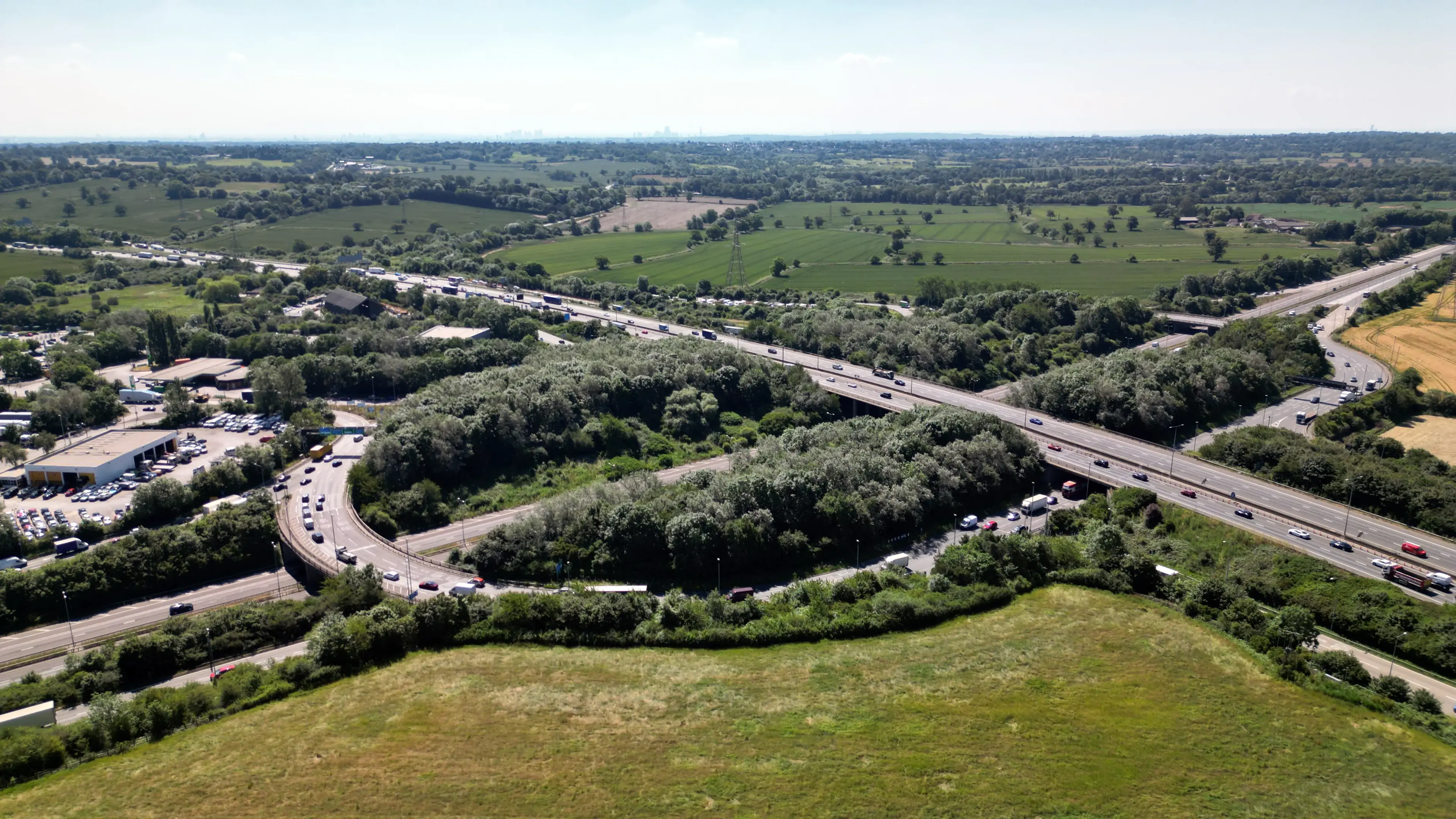
Just a short drive from the bustling heart of London, the tranquil landscape separating Potters Bar from South Mimms, a pastoral canvas of rolling farmland and hedgerows, has become an unlikely battleground in the global AI arms race. What was once a serene public footpath, marked by a lone oak tree, now hosts defiant posters declaring, “NO TO DATA CENTRE.” This local uprising, spearheaded by over a thousand residents, spotlights the escalating tensions between national ambitions for AI infrastructure and communities fiercely protective of their green spaces.
The Green Belt Under Siege
The controversy centers on a proposal for one of Europe's largest data centers, slated for construction on 85 acres of this cherished farmland. Despite overwhelming local opposition, the Hertsmere Borough Council granted planning permission in January 2025, paving the way for multinational operator Equinix to acquire the land. This decision was significantly influenced by the UK government's recent reclassification of certain undeveloped land as 'grey belt' – parcels deemed suitable for development – and its declaration of data centers as 'critical national infrastructure.' Such policy shifts are designed to accelerate the build-out of facilities essential for training AI models and running sophisticated applications, but for residents like Ros Naylor, the perceived benefits of a stronger AI economy offer little solace for the imminent loss of vital green space, an invaluable natural escape and buffer against urban sprawl.
Community Voices vs. Council Mandates
Local residents have voiced profound objections, primarily citing the destruction of green space crucial for mental health and wellbeing. They also point to perceived inconsistencies in planning decisions; a nearby housing development was recently rejected to preserve green belt, raising questions about why an adjacent field can be deemed dispensable for a data center. Frustration runs deep over the planning process itself, with residents alleging their hundreds of meticulously collected objections were largely ignored, a sentiment rejected by Council leader Jeremy Newmark who insists the process was robust. Despite appeals to ombudsmen and environmental watchdogs, and even a formal complaint against Newmark, all efforts to overturn the decision have so far proven fruitless.
Economic Promise vs. Environmental Cost
The council and Equinix champion the economic benefits of the project. Equinix plans a more than $5 billion investment, anticipating 2,500 construction jobs and 200 permanent roles. The data center is also projected to generate $27 million annually in property tax, with half allocated to local services. Andrew Higgins, Equinix's global head of masterplanning, emphasizes the strategic importance for the UK to remain a global player in AI, highlighting the site's proximity to population hubs and robust power infrastructure. Equinix also pledges to retain half the site as green space, introducing biodiversity measures like ponds and meadows in what they term a path to responsible development. However, for many residents, the environmental and lifestyle costs outweigh the economic gains.
A Precedent for Future Conflicts
The Potters Bar saga mirrors a growing global trend where communities resist the expansion of data centers, an inevitable byproduct of the trillions being invested in AI infrastructure. With construction set to begin within three years of final approval, the protest group now aims to 'filibuster' the remaining planning stages, leveraging public objection as a powerful tool. As Janet Longley, a local resident, articulates, there's a nuanced understanding of the need for such infrastructure – “we need these things, I use the internet all the time” – yet an undeniable wish that this particular development could be built “somewhere else.” The struggle in Potters Bar thus stands as a critical microcosm of the larger societal debate between technological progress and preserving local environments and ways of life.