
Beyond the Pill: AI Digital Twins Pioneer a New Era in Diabetes and Obesity Management
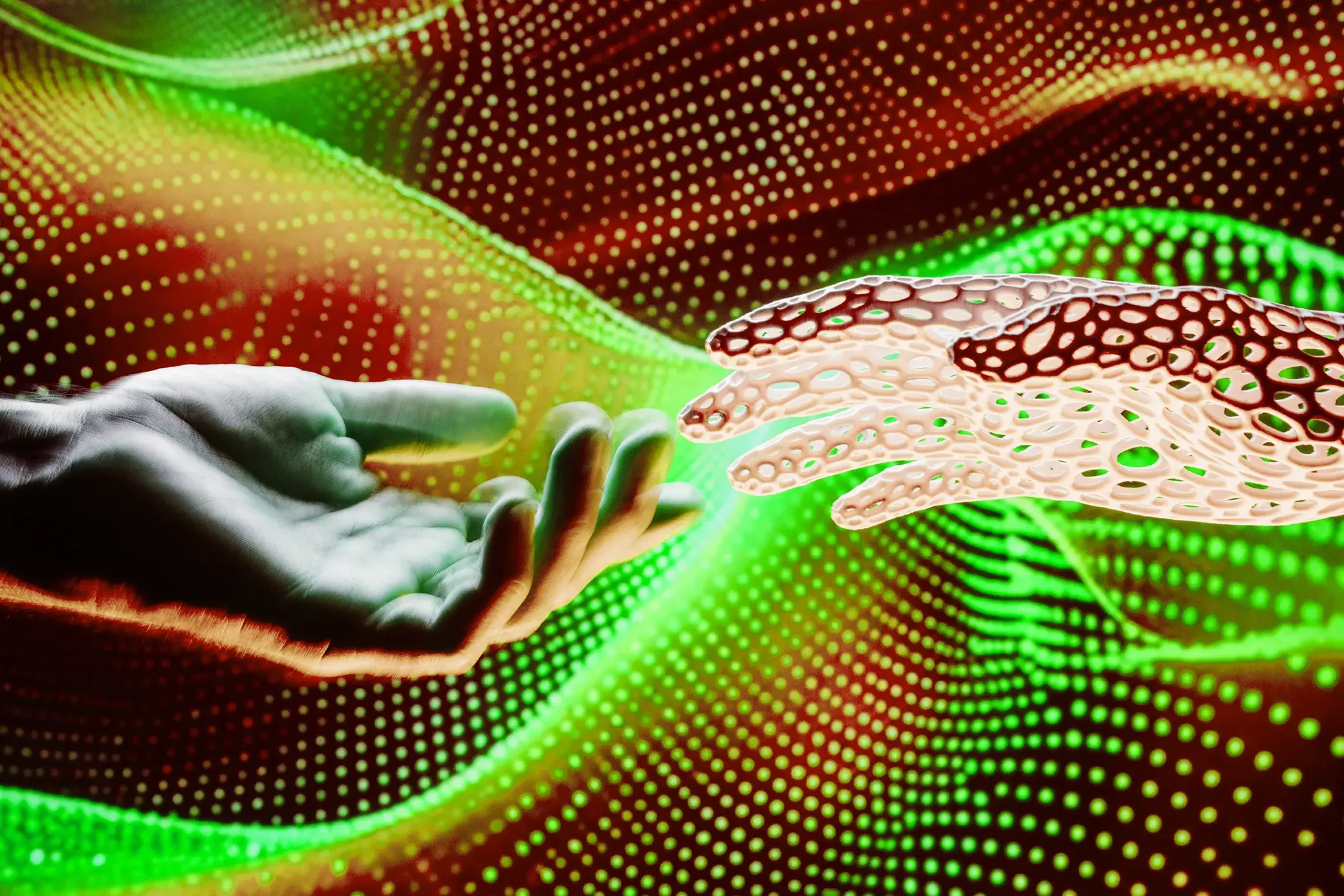
In an era where costly GLP-1 medications like Ozempic dominate headlines for weight loss and diabetes management, a compelling alternative powered by artificial intelligence is quietly revolutionizing personal health. Rodney Buckley, a 55-year-old retired firefighter and village mayor, stands as a testament to this innovation, shedding an astounding 100 pounds in less than a year without pharmaceutical intervention. His success, like that of many others, comes courtesy of a personalized 'digital twin' program, offering a much-needed solution as employers grapple with soaring healthcare expenses.
The Rise of the Digital Twin
At the heart of this transformation is Twin Health, a Mountain View-based startup that merges cutting-edge technology with individual biology. Users receive a comprehensive kit including a continuous glucose monitor, blood pressure cuff, smart scale, and fitness tracker. These devices continuously feed vital biometric data – from blood sugar and weight to stress, sleep, and activity – into a proprietary app. Leveraging advanced predictive AI, this data constructs a virtual replica of the user's metabolism: their unique digital twin. This twin then provides hyper-personalized, real-time recommendations, guiding food choices with a simple 'green,' 'yellow,' or 'red' system, suggesting portion adjustments, and even recommending exercise timings, all while adapting to individual preferences over time.
Proven Results and Employer Solutions
The efficacy of this AI-driven approach isn't just anecdotal. A rigorous clinical trial conducted by the Cleveland Clinic, published in the New England Journal of Medicine Catalyst, demonstrated significant success. Out of 100 participants with type 2 diabetes using the Twin program, 71% achieved healthy blood sugar levels (A1C below 6.5%) with fewer medications after 12 months, compared to just 2% in the control group. Furthermore, the Twin group experienced an average weight loss of 8.6% of their body weight, and crucially, GLP-1 medication usage plummeted from 41% to a mere 6%. Employers like asset manager Blackstone have already seen medication savings and improved employee health outcomes. Twin Health's commitment to results is underscored by its payment model: the company is compensated only when users achieve tangible clinical improvements.
Addressing Concerns and Future Outlook
While the prospect of constant data collection might raise privacy questions for some, Twin Health operates under strict compliance with HIPAA and state privacy laws, providing employers only with aggregated, anonymized reports. Experts like Bernard Zinman, a diabetes professor emeritus at the University of Toronto, herald the technology as an exciting leap in digital health, particularly for its potential in early intervention and even prevention of diabetes. As Dr. Kevin Pantalone of the Cleveland Clinic notes, the continuous, individualized feedback helps patients overcome the challenges of traditional lifestyle modifications. This innovative blend of AI, wearables, and human coaching signals a powerful shift towards personalized, proactive healthcare, promising improved access and transformative outcomes for individuals managing obesity and diabetes worldwide.