
Boniface Mwangi Questions Kenya’s Moral Character in a Candid Interview on Faith
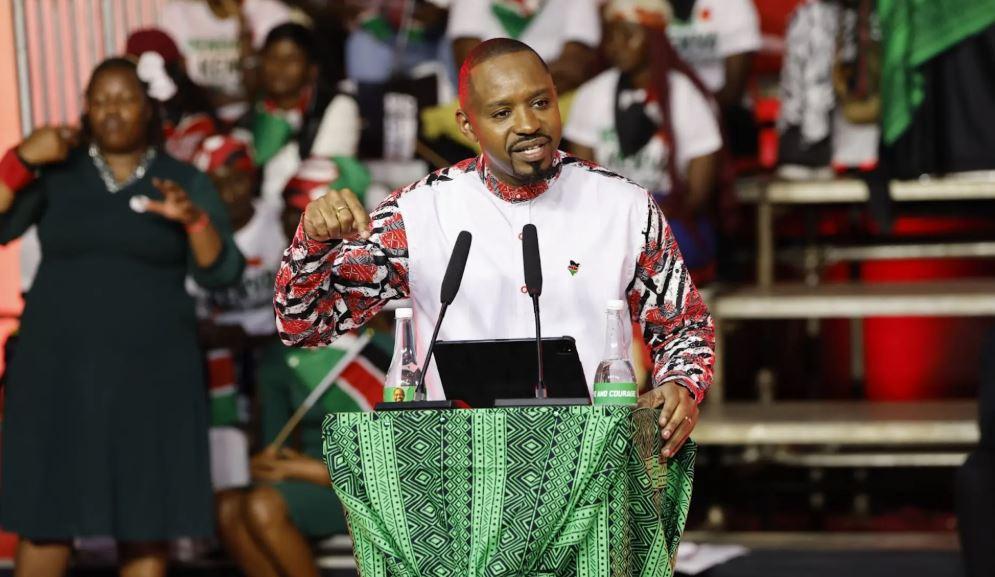
 Activist Boniface Mwangi sparked a wave of online conversation after sharing his raw reflections on spirituality, religion, and the current state of Kenya’s moral values.
Speaking during an interview on Monday, June 8, 2026, Mwangi drew a sharp line between organized religion and personal spirituality, questioning how Kenyans bridge the gap between their professed faith and daily actions.
In his view, people can easily lead meaningful, ethical lives without tying themselves to institutionalized dogmas. He defined the boundaries clearly, noting, “You can live in this world without religion because religion is a set of beliefs and things that you do to look pure or to look holy.”
Turning his focus to society, the activist pointed out what he views as glaring contradictions in the national character, calling out citizens who hold onto religious labels while engaging in harmful, unlawful behavior. He took aim at the stark contrast between public piety and private or social misconduct.
“They say Kenya is a Christian nation, but we are very corrupt; we love shortcuts. Kenya has one of the highest cases of gender-based violence. Especially men are beating their wives; they are raping women and killing them,” he said.
Mwangi did not hold back on daily civic discipline either, placing Kenya among the top ten most corrupt nations and citing a total disregard for basic laws, including on the roads. He pointed out how easily people compartmentalize their faith to justify bad behavior in their everyday rush.
“Kenya is a country where people don’t even obey traffic rules, but they are Christians. Someone is going to jump traffic lights or drive recklessly in his hurry to go to church and pretend to be Christians,” he said. These actions, he suggested, directly contradict declared beliefs and raise serious questions about how Kenyans practice faith in public spaces.
To anchor his point, Mwangi concluded by explaining his personal outlook, describing spirituality as a journey of individual reflection and inner guidance rather than a product of structured institutions.
“But spirituality is a self-belief. It has nothing to do with other people, you being in a church listening to someone. It’s you and your internal talking to your God,” the activist said.
Identifying as a deeply spiritual person, he noted that this internal alignment frees him from existential anxiety.
“So I’m more of a spiritual person, not a religious person. I don’t fear death because I live my life right by me and the things I believe in,” he said.
The post Boniface Mwangi Questions Kenya’s Moral Character in a Candid Interview on Faith appeared first on Nairobi Wire.