
Experts Warn Kenyans About Hidden Health Risks in Mitumba Clothes
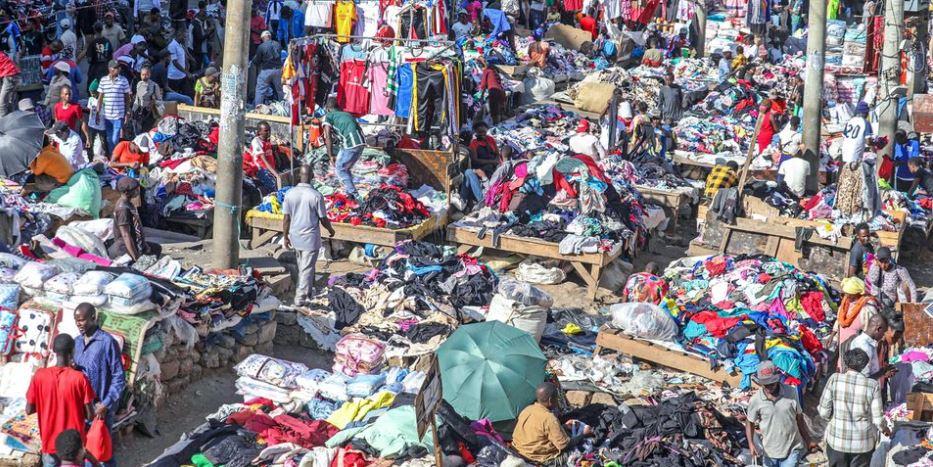
 Experts are sounding the alarm about Kenya’s booming mitumba trade, warning that second-hand clothes could carry harmful microorganisms and pose public health risks if inspectors and traders do not properly handle and check them.
Researchers warn that used textiles can harbor bacteria such as Escherichia coli and Klebsiella, according to Mongabay. These bacteria are linked to illnesses including diarrhea, urinary tract infections, pneumonia, and, in severe cases, sepsis.
Kenya imported more than 53,000 tonnes of second-hand clothing worth Ksh6.5 billion in the first quarter of 2025 alone. The figures point to the scale of the trade and the need for tighter health, environmental, and waste-management controls.
Global Waste Flows and Environmental Impact
A recent letter published in the journal Science raised concerns over the growing movement of used garments to African countries. The researchers argued that some clothing exported as reusable goods could eventually become textile waste.
The researchers found that more than 4.5 billion used garments ship to Africa every year. A significant proportion of these garments eventually end up in dumpsites or get burned when waste management systems cannot handle the volume.
The concerns extend beyond bacteria. Studies link discarded textiles to pathogenic microorganisms, antimicrobial-resistant genes, and microplastics released as synthetic fabrics break down.
In Kenya, the scale of textile waste has raised additional concerns. A 2023 report estimated that Nairobi’s largest dumpsite receives about 86 tonnes of textile waste every day. Some of this waste eventually pollutes the environment as the fabrics degrade.
Experts Call for Entry-Point Controls Over Total Bans
Experts point out that these health concerns do not necessarily mean Kenya should ban mitumba imports. Instead, they argue the country needs stronger inspection and controls before the clothes reach consumers.
“It is critical to consider the potential risks, including bacterial contamination,” said Ebenezer Amadi, a senior programme manager at Bopinc.
Amadi added that inspection and appropriate controls at the point of entry could address the risks, placing priority on preventing potentially contaminated garments from entering the local market.
The post Experts Warn Kenyans About Hidden Health Risks in Mitumba Clothes appeared first on Nairobi Wire.