
From floods to drought: How climate change shaped Kenya's 2025 harvest
>In 2025, this long-established trend again shaped harvest results. Many farmers in the highlands, particularly in counties such as Uasin Gishu, Trans Nzoia, Nyandarua, and parts of Kiambu, reported delayed onset of the long rains.
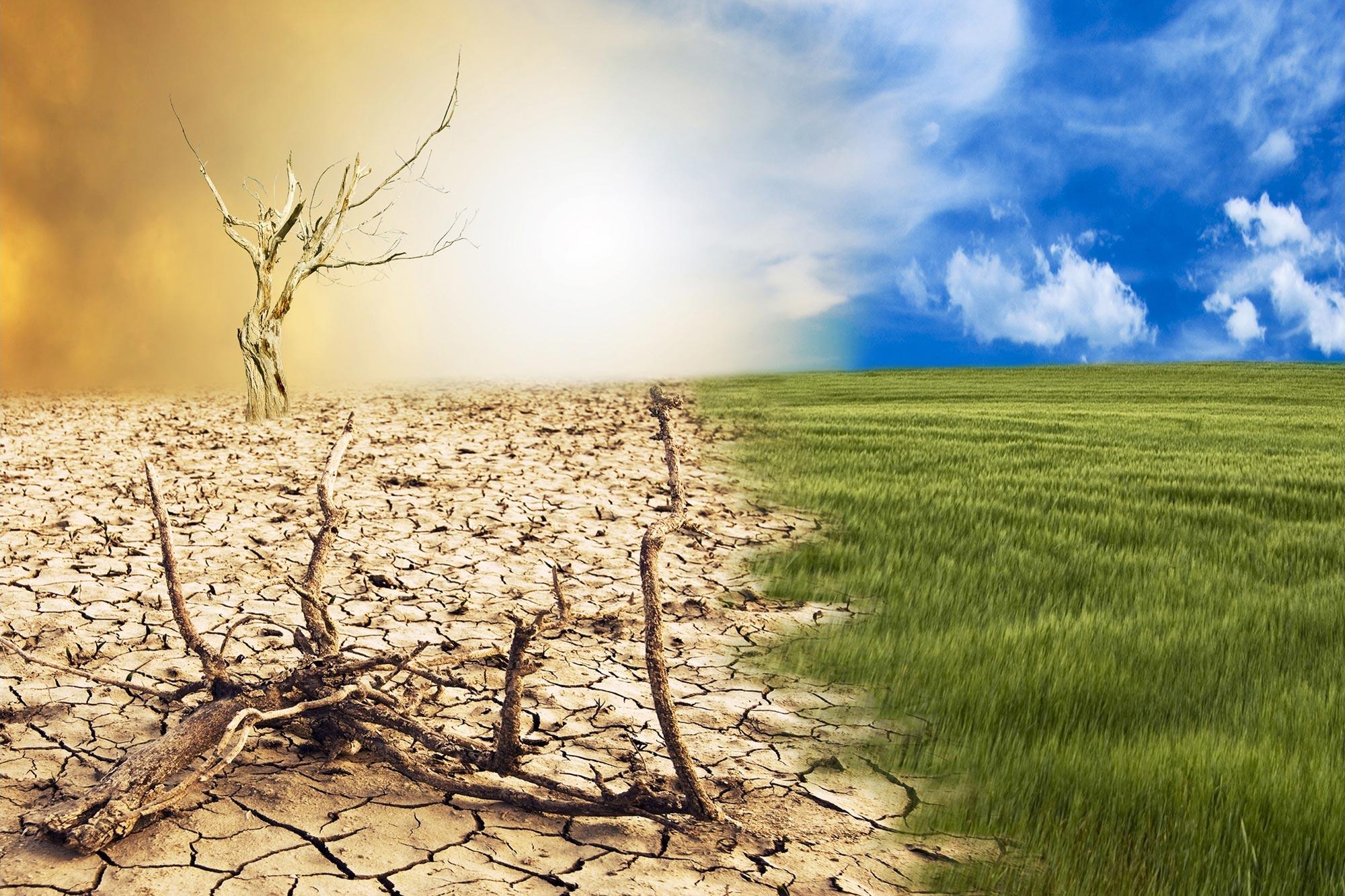
Kenya’s 2025 harvest season has unfolded under increasingly challenging climate conditions that farmers, scientists, and policymakers have long warned about.
Erratic rainfall, prolonged dry spells, rising temperatures, flooding in some regions, and growing pest pressures have once again shaped how food is produced across the country. Rather than being isolated events, these challenges reflect long-term climate shifts that continue to redefine Kenya’s agricultural landscape.
Rainfall patterns remain one of the most disruptive factors. The traditionally reliable long and short rains no longer follow predictable schedules.
In 2025, many farmers in highland regions such as Uasin Gishu, Trans Nzoia, and Nyandarua experienced delayed long rains, undermining planting schedules and reducing maize yields.
Late rainfall affected germination and early crop growth, while intense rainfall in parts of western Kenya caused waterlogging and soil erosion, leading to crop losses instead of recovery.
Rising temperatures have compounded these challenges. Heat stress accelerated soil moisture loss, reduced crop productivity, and increased pest activity. Maize, a staple crop, proved particularly vulnerable to high temperatures during flowering.
As a result, many farmers continued shifting toward more heat-tolerant crops such as sorghum, millet, and cowpeas, especially in arid and semi-arid areas.
At the same time, flooding affected low-lying regions including the lower Tana Basin and parts of western Kenya. Overflowing rivers destroyed crops, contaminated water sources, and damaged farm infrastructure, further straining small-scale farmers and pastoral communities.
Pest invasion and control
Pests and diseases also played a major role. Warmer temperatures and variable rainfall created favorable conditions for the fall armyworm and fungal diseases. However, targeted interventions by the Kenya Agricultural and Livestock Research Organization (KALRO), in partnership with FAO and county governments, helped reduce losses through integrated pest management training.
Despite these pressures, the 2025 season highlighted growing resilience. Farmers increasingly adopted climate-smart practices such as drought-tolerant seeds, water harvesting, mulching, and drip irrigation.
Kenya’s 2025 harvest illustrates that while climate change is now a defining reality for agriculture, adaptation and innovation offer pathways to sustain food production in an uncertain future.
Share: