
Half-Stories in Kenyan Media Hinder Public Understanding of Political Processes
Half-Stories in Kenyan Media Hinder Public Understanding of Political Processes
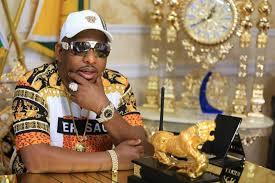
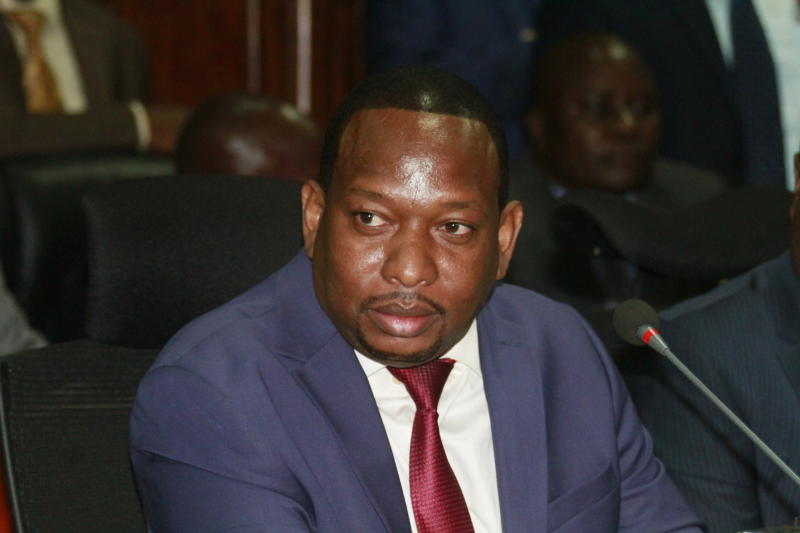
A few days ago, former Nairobi Governor Mike Sonko was widely reported to have launched his political party, receiving the certificate from the Registrar of Political Parties alongside individuals identified as party officials.
Interestingly, Sonko’s name does not appear among the officials, yet the party is reportedly under his leadership. Questions about his involvement, given ongoing impeachment issues and legal restrictions on political participation, were largely ignored by the media.
Citizens deserve clear, complete information from news outlets. Half-stories and complex analyses—like discussions around the Labour Party of Kenya, coalitions, and internal political dealings—remain inaccessible to the average Kenyan. Yet, informed participation is essential for meaningful engagement and for voting wisely.
Kenya’s political and governance system is complex, demanding, and at times ruthless. It leaves little room for the faint-hearted, thrives on short-term fixes, and revolves around a handful of permanent personalities and government operatives. Political parties, as pillars of democracy, must be strengthened to serve both their members and the nation.
Media, civil society, and political parties have a duty to provide transparent information on party operations, funding, and leadership, especially with the 2027 General Election approaching.
Implementation of the Elections Campaign Financing Act will enhance accountability and push parties to articulate clear policies, strategies, and ideologies, helping citizens make informed choices.
Kenya’s politics remains a major source of tension and confusion during elections. The same entrenched actors dominate the political and economic landscape, benefiting from a system that maintains their control. They wield resources, connections, and impunity to sustain influence, leaving few opportunities for newcomers.
Many parties adopt liberal or socialist platforms, promising free social services. Yet they rarely explain how these will be funded in a context of widespread corruption, tax evasion, and public sector inefficiency. Kenya’s political culture—shaped by capitalism, patronage, tribalism, and devolved governance—mirrors national-level challenges.
Legislation, including the Political Parties Act and the Election Campaign Financing Act, seeks to instill discipline and transparency.
However, many parties operate as personal fiefdoms, remaining dormant between elections and failing to publish required information on membership, expenditures, or funding sources. Citizens, media, and civil society must demand that parties be treated as public—not private—entities.
Access to information and adherence to campaign finance rules are critical. Under the Election Campaign Financing Act 2013, campaign contributions are regulated, spending limits are set, and financial reporting is required.
For instance, IEBC guidelines stipulate spending caps for governor, senator, and women representative candidates, ranging from Sh21 million in Lamu to Sh123 million in Turkana, depending on county size and population.
Kenyans must hold parties accountable to the promises in their manifestos and ensure that political processes translate into tangible economic and social benefits.
Achieving this requires leadership that is open, disciplined, and committed to honest national dialogue—qualities still largely absent from Kenya’s political system.