
Hotpoint bets on built-in living as Kenyan kitchens evolve
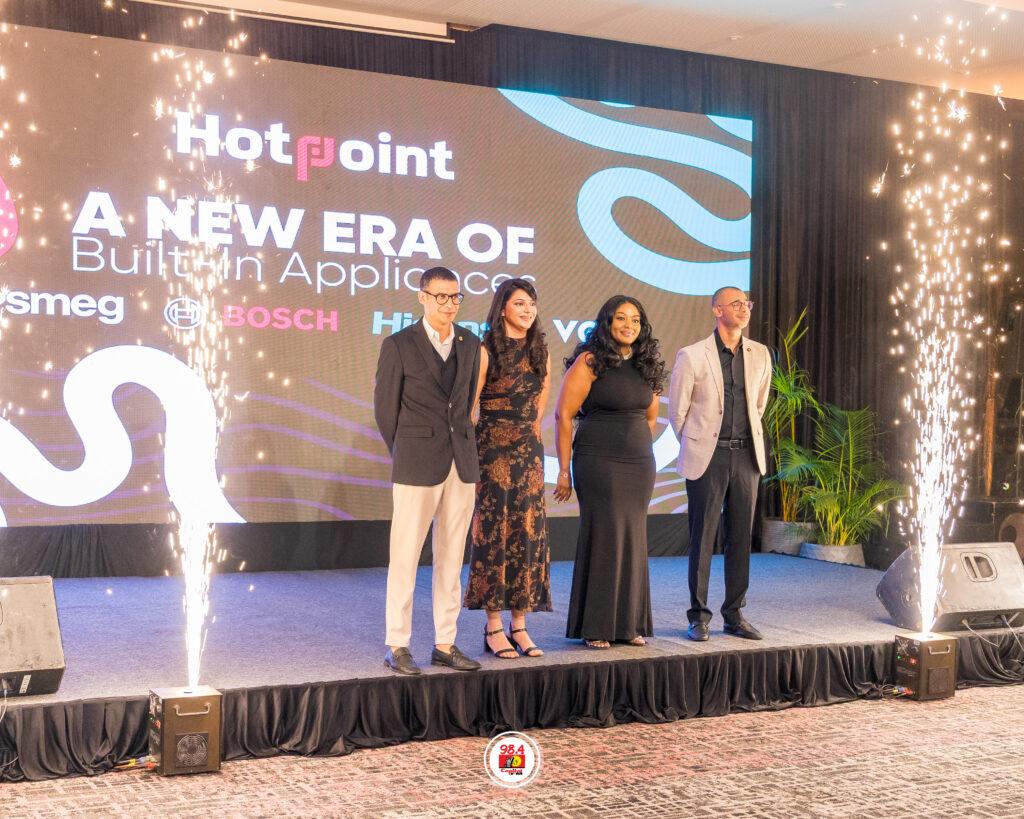
NAIROBI, Kenya, April 30 – The Kenyan kitchen is changing, and not just in how it looks, but in how it’s designed, used, and experienced.
What was once a purely functional space is now becoming the centerpiece of the home. Open-plan layouts, cleaner finishes, and integrated appliances are increasingly shaping how modern homes are built.
Hotpoint Appliances is positioning itself at the heart of this shift.

At a recent launch in Nairobi, the company introduced “The New Era of Built-In at Hotpoint,” bringing together developers, architects, designers, and homeowners to highlight a growing trend: built-in appliances are quickly moving from optional upgrades to everyday expectations.
A Growing Shift in How Homes Are Designed
For years, built-in appliances were largely associated with high-end homes. Today, that is changing.
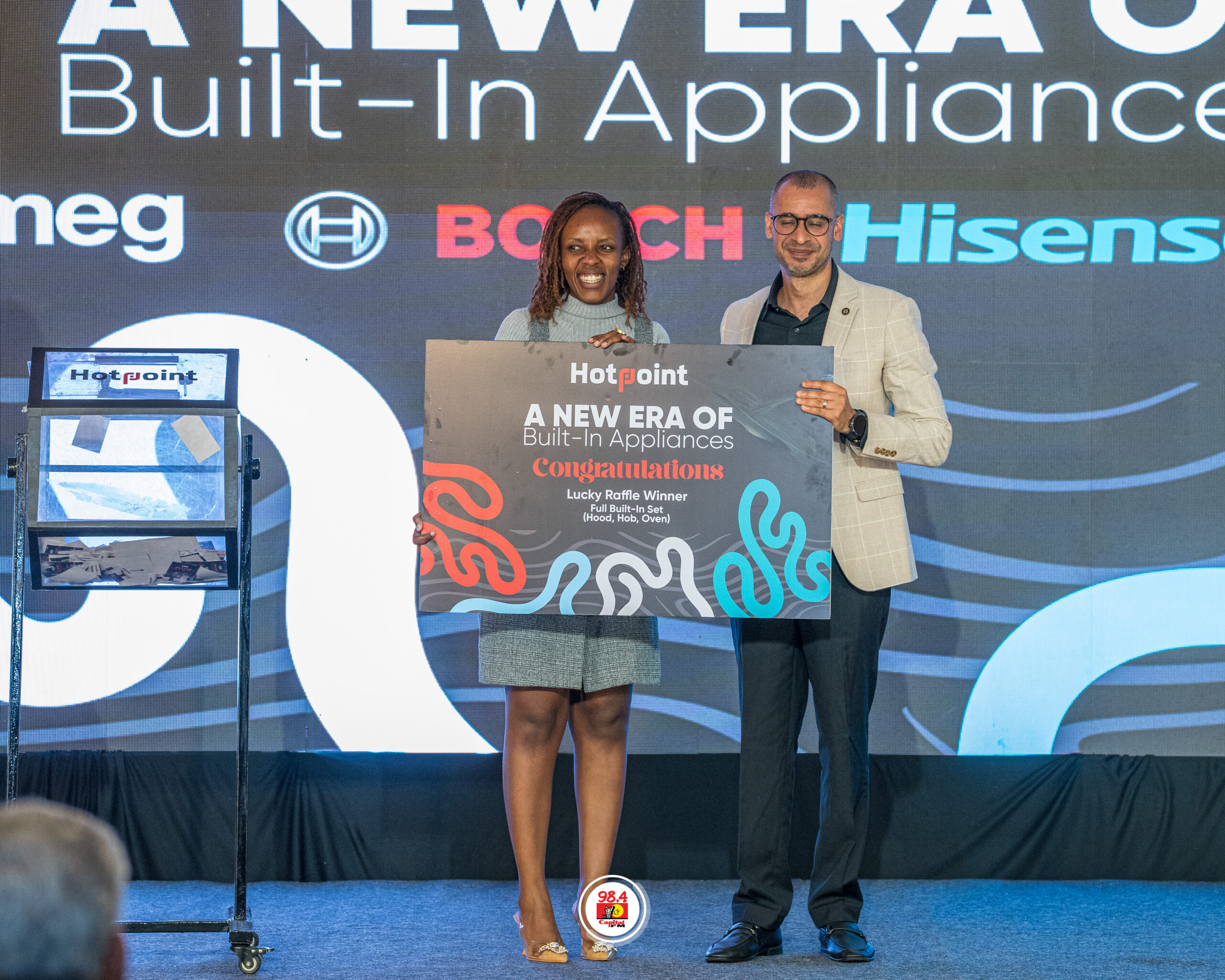
“Built-in is becoming the standard people expect,” said Hotpoint CEO Ravi Kanani at the event, pointing to a market that is evolving alongside more design-conscious buyers.
Instead of standalone appliances, many homeowners now prefer integrated kitchens — where ovens, hobs, and hoods fit seamlessly into cabinetry. The result is a more streamlined, modern space that blends function with design.
For developers, this shift is also strategic. In a competitive property market, built-in kitchens are increasingly seen as a way to add value and stand out to buyers.
One Market, Multiple Needs
As demand grows, so does the diversity of buyers — from first-time homeowners to premium property investors.
Hotpoint’s response is a structured portfolio built around four global brands, each catering to a different segment.

At the premium end is SMEG, known for its distinctive Italian design. Bosch offers precision engineering and reliability for those focused on long-term performance. Von, developed with the local market in mind, balances style and durability at accessible price points, while Hisense brings smart, feature-rich appliances to a more budget-conscious, tech-savvy audience.
Together, the range is designed to serve everything from single homes to large-scale developments.
Making Built-In Simpler
Choosing built-in appliances can often feel overwhelming — especially when it comes to matching different components.
To simplify the process, Hotpoint has introduced bundled kitchen sets combining essential appliances like the hob, hood, and oven. These pre-configured options are designed to reduce decision fatigue for both homeowners and developers, while ensuring a consistent look and performance.
Developers also have the flexibility to mix and match across different price tiers within the same project — for example, installing premium options in show units while offering more accessible alternatives in standard units.
Beyond the Sale: The After-Sales Question
While design and price are key considerations, one concern continues to stand out: what happens after installation?
Built-in appliances are integrated into the kitchen itself, meaning repairs or replacements can be more complex than with standalone units.
“When you choose built-in, you’re committing to a system,” said Hotpoint’s Head of Built-in Sandra Juniah. “The real question is: who do you call when something goes wrong?”
Hotpoint is leaning on its long-standing infrastructure to answer that question. The company operates 13 stores nationwide, supported by service centers in Nairobi and Mombasa, with factory-trained technicians and access to genuine spare parts.
This kind of support is critical in a market where inconsistent supply and after-sales service have often been a challenge.
Supporting Developers from Start to Finish
For developers, the stakes are even higher. Delays in delivery or installation can impact entire projects.
Hotpoint’s approach includes early-stage planning support, phased delivery aligned to construction timelines, and professional installation and handover. This helps reduce risk while ensuring a smoother experience for both developers and end buyers.
The company has also introduced a custom branding option, allowing developers to feature their own brand on built-in appliances — an added touch aimed at strengthening property identity and appeal.
A Market Finding Its Footing
Kenya’s built-in appliance market is still developing, with gaps in supply and service that have, at times, slowed adoption.
Hotpoint’s strategy is to address these challenges through a more integrated approach — offering products, support, and service under one roof.
“We’re not new to this space,” Ravi Kanani noted. “What we’re doing now is making that commitment clear, and backing it with the infrastructure to support it.”
What It Means for Homeowners
For buyers, the impact is straightforward: more choice, simpler decision-making, and greater confidence in long-term support.
And as Kenyan homes continue to evolve, the kitchen is taking on a new role — not just as a place to cook, but as a space to connect, entertain, and live.
Hotpoint is betting that built-in living will be at the center of that future.