
How Learners Can Transition Smoothly to Senior Secondary School Under the CBE
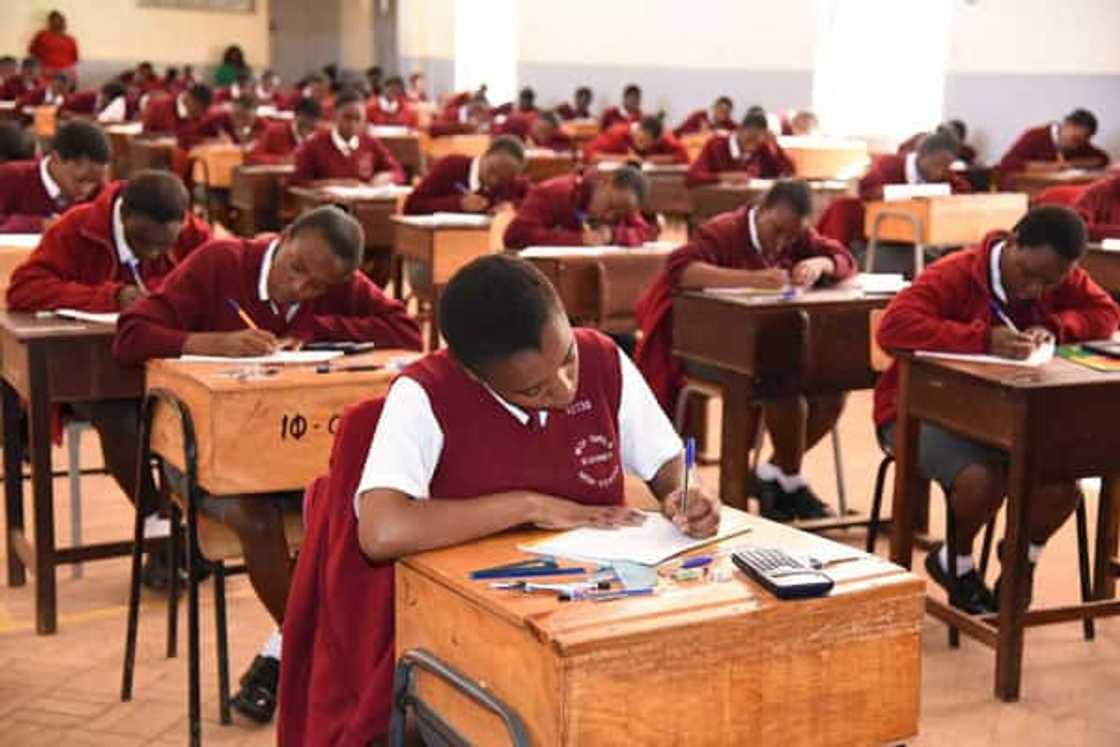
As Kenya implements the Competency-Based Education (CBE) system, learners completing junior secondary school are preparing for a critical transition to senior secondary education.
This stage
marks a shift from general learning to specialization based on learners’
abilities, interests, and career aspirations.
Education experts note that proper
preparation is essential to ensure learners benefit fully from the new system.
Here are key steps to ensure a smooth transition.
1 Understand the Senior Secondary PathwaysUnder the CBE framework, senior secondary education is organized into three pathways:
(1) Science, Technology, Engineering and
Mathematics (STEM)
(ii) Social Sciences
(iii) Arts and Sports Science
Each pathway is designed to nurture specific competencies and prepare learners for higher education and training. Learners are encouraged to understand the subjects and career opportunities available in each pathway before making choices.
2 Identify Learners’ Strengths and Talents
CBE places emphasis on individual strengths rather than examination results alone. Learners should evaluate their academic performance, talents, and interests developed during junior secondary school.
Teachers and parents play a key role in helping learners make informed
decisions based on continuous assessment records.
3 Access Career Guidance and Mentorship
Career guidance is a core requirement under CBE. Schools are expected to provide structured guidance programs, career talks, and mentorship sessions to help learners link subjects to real-world careers.
Early exposure enables learners to choose pathways that align with
their long-term goals.
4 Involve Parents and GuardiansParental involvement is critical during the transition. Parents are advised to attend school meetings, consult teachers, and familiarize themselves with senior secondary requirements.
Emotional
support and informed guidance help learners adjust to the demands of
specialization.
5 Prepare for Competency-Based Assessment
Unlike the previous education system, senior secondary assessment under CBE focuses on projects, practical work, portfolios, and continuous assessment.
Learners should develop research skills,
collaboration, creativity, and problem-solving abilities to succeed in this
learning approach.
6 Select Appropriate Senior Secondary Schools
Not all senior secondary schools offer all
pathways. Learners should select schools with facilities and resources that
support their chosen pathway, such as laboratories for STEM or performance
spaces for arts and sports science.
7 Strengthen Academic and Life Skills
Senior secondary education demands greater
independence. Learners are encouraged to build time management, communication,
digital literacy, and self-discipline skills to cope with academic and
co-curricular responsibilities.