
How to protect your CCTV system from new tricks used by thieves
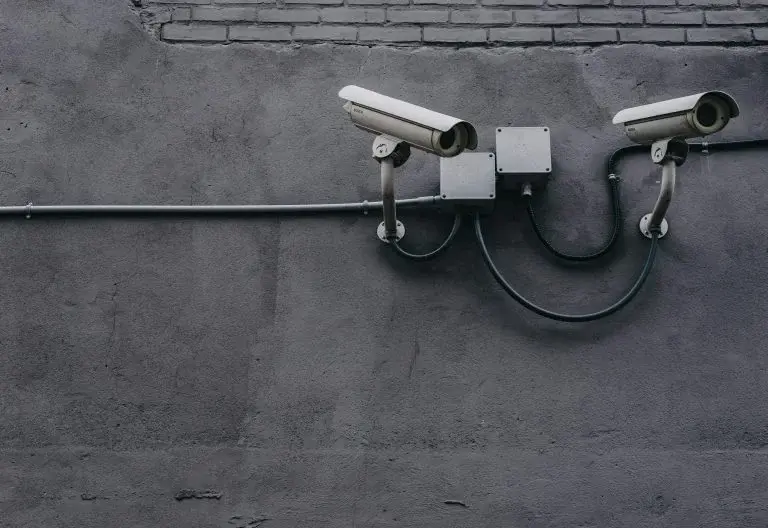
A CCTV camera. Image used for illustration purposes only
Closed-circuit television (CCTV) cameras are now widely used in homes and businesses, providing added security, surveillance and peace of mind they will always provide clear evidence in the event of a break-in.
However, criminals are becoming increasingly sophisticated. In many cases, thefts occur not because cameras are absent, but because thieves understand how to bypass or neutralise them.
Knowing these tactics is essential, as it helps users appreciate the limitations of CCTV and take smarter steps to strengthen overall security.
Signal disruption
One of the most common threats to modern CCTV systems is signal interference. Many cameras depend on Wi-Fi or mobile networks to transmit footage to recorders or cloud storage. Thieves can use small jamming devices to block these signals.
When this happens, cameras may still appear to be working—indicator lights remain on and the system looks normal—but no footage is being recorded or stored.

By the time the signal is restored, the crime may already be over, leaving no evidence behind.
Criminals may also cut power lines, unplug routers, or damage cables before entering a property, knowing that many CCTV systems shut down once electricity or internet access is lost.
To minimise this risk, it is advisable to use systems that do not rely solely on wireless connections.
Cameras that use Powerover Ethernet transmit both power and data through a physical cable, making them harder to disrupt.
Cameras with built-in memory cards can continue recording even if the network goes down, while backup power supplies help keep systems running during outages.
Camera positioning
Camera placement is another weakness that criminals often exploit. Thieves frequently survey a building beforehand, identifying blind spots such as corners, staircases, areas directly beneath cameras, or poorly lit sections.
Approaching from certain angles can conceal faces, resulting in footage that captures movement but lacks identifying detail. Poorly positioned cameras may therefore offer limited investigative value.

To counter this, cameras should be installed at angles that clearly capture faces rather than just general activity.
Overlapping fields of view help eliminate blind spots, while adequate lighting is critical for producing clear images, especially at night.
Physical interference and installation
Some methods used to defeat CCTV systems are surprisingly simple. Thieves may spray paint on lenses, cover cameras with tape or cloth, or place plastic bags over them to block visibility.
Laser pointers can also be used to distort or temporarily blind the image.
These tactics are fast, inexpensive and effective—particularly when cameras are installed within easy reach.
Mounting cameras high out of reach and using protective housings can significantly reduce the risk of tampering. Regular inspections ensure lenses remain clean and unobstructed.
Systems that send alerts when a camera goes offline or its view changes can help detect interference early.
Disguises and image quality
Criminals often use disguises such as hoodies, caps, masks or reflective clothing to hide their identities, while gloves prevent fingerprints from being left behind.
Although cameras cannot prevent these tactics, higher-resolution equipment and better camera angles improve the chances of capturing useful details such as body shape, movement patterns or distinctive clothing.
Digital security
Digital protection is just as important as physical safeguards. Weak passwords, default login credentials and outdated software make CCTV systems vulnerable to remote access.
In some cases, criminals—or their accomplices—can disable cameras, delete footage or shut systems down without ever entering the premises.
Using strong, unique passwords, keeping software up to date and avoiding default settings greatly reduces this risk.
Regular system checks help ensure everything is functioning as intended.
Layered security approach
Ultimately, CCTV works best as part of a layered security strategy. Cameras should complement strong locks, motion sensors, proper lighting, alarms and routine maintenance.
No single security measure is foolproof. However, a well-planned and well-maintained setup makes a property far less attractive to criminals and significantly harder to compromise.