
Kenya Is 30 Million Tonnes Short on Animal Feed, and the Milk Is Already Paying for It
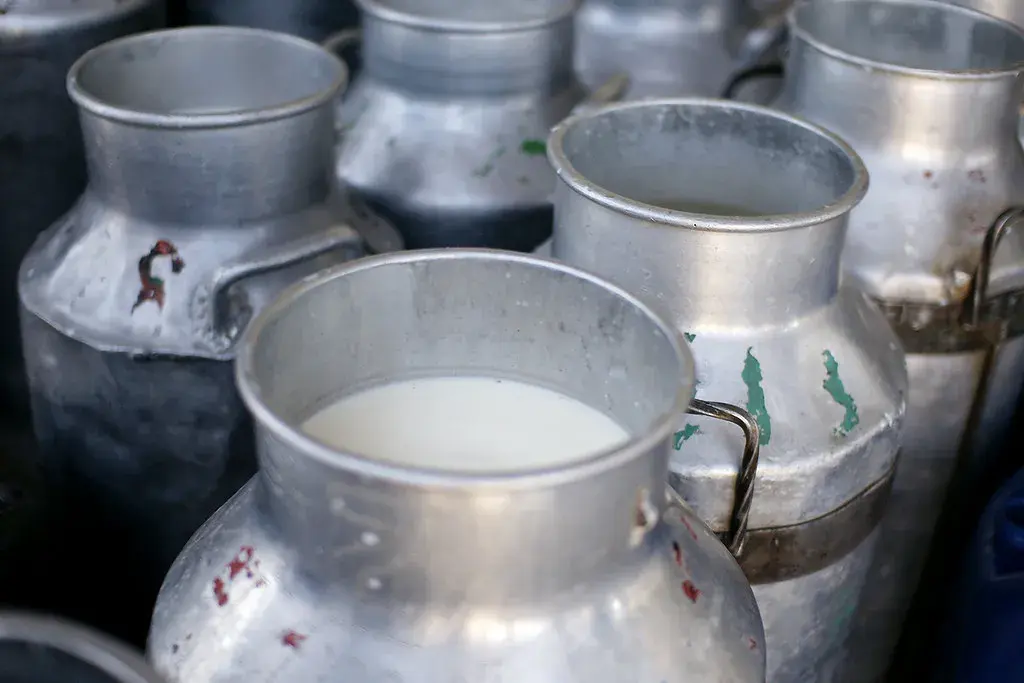

Kenya’s farms need about 55 million tonnes of feed dry matter every year. They are producing roughly 25 million. The 30-million-tonne hole in between is now one of the biggest problems facing the country’s dairy sector, according to a new assessment of the value chain.
The Dairy Value Chain Gap Analysis, put together by Heifer International Kenya, looked at how dairy interventions are actually working on the ground. It surveyed 11 counties and dug deeper into three: Nyandarua, Embu and Elgeyo Marakwet.
The headline numbers are sobering. Kenya’s dairy industry keeps about 1.8 million smallholder households in business and contributes an estimated 4.5 per cent of GDP, or 14 per cent of agricultural GDP. Annual milk production sits somewhere between 5.2 billion and 5.76 billion litres, against domestic demand estimated at 12.76 billion litres.
That shortfall is not a secret. What the assessment does is trace it back to the feed trough.
High feed costs, seasonal shortages, poor feed quality and limited access to mechanisation keep showing up as the stubborn obstacles holding back production. The study found that years of investment in better animal breeds, farmer training, veterinary services, milk cooling infrastructure and cooperative development have not moved productivity and commercialisation as far as they should have.
Heifer International Kenya Country Director Wairimu Munyinyi put it in terms of what happens when the feed runs short or the price runs high.
“When feed becomes scarce or expensive, the effects extend beyond the farm, affecting market supply, household incomes and ultimately food security,” Munyinyi said during a media breakfast in Nairobi.
The county findings show how differently the problem bites. In Nyandarua, farmers are battling feed availability alongside cold-chain infrastructure gaps and cooperatives that are struggling as businesses. In Embu, feed costs are eating into profits, and support services are not joining up properly. In Elgeyo Marakwet, feed shortages sit alongside gaps in breeding services, veterinary support and market infrastructure, all made worse by a climate that keeps throwing curveballs at farmers.
The assessment also flags limited access to finance, inadequate mechanisation and a simple knowledge gap. Many farmers do not know which fodder varieties suit their particular agro-ecological conditions, and that costs them.
Its recommendations lean towards making feed a business in its own right. Commercially viable feed and fodder enterprises, stronger cooperatives acting as service hubs, dairy-focused financing and better market linkages form the backbone of the suggested fix. It also calls for more investment in climate-resilient feed production, quality assurance and integrated livestock services.
One of the initiatives already working the problem is Heifer’s Transforming Youth in Dairy Through Feed and Fodder Access in Dairy, which goes by TYFFAD. It targets the feed and fodder gap while trying to carve out economic opportunities for young people in the dairy chain.
Munyinyi also asked the media to do more, particularly by reporting on farming challenges and solutions at community level and in local languages.
Representatives from the Kenya Dairy Board and other sector players at the Nairobi briefing said the fix will need government agencies, research institutions, financial institutions and the private sector pulling in the same direction.
The 30-million-tonne gap is not just a number. It is the difference between a dairy sector running at full capacity and one where a farmer’s output, and income, falls short every season.
The post Kenya Is 30 Million Tonnes Short on Animal Feed, and the Milk Is Already Paying for It appeared first on Nairobi Wire.