
Kenya’s gambling market reform is gaining momentum ahead of the 2026 deadline
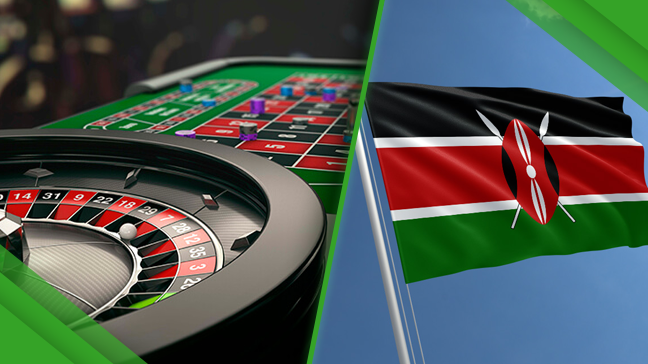
 Kenya is entering a period of a major overhaul of the regulatory framework for the gambling and gaming industry. The Gambling Regulatory Authority (GRA) is rolling out an updated licensing and oversight system that will cover both land-based venues and digital platforms.
All operators are required to bring their operations into full compliance with the new requirements by the end of the current licensing cycle in June 2026.
From the old board to a single regulator
On February 28, authority for oversight of the gambling industry officially shifted from the Betting Control and Licensing Board (BCLB) to the Gambling Regulatory Authority. This marked a shift away from the long-standing framework that had been in place for many years toward a more centralized model.
For market participants, the change of regulator means not merely a formal transfer of functions, but a fundamental overhaul of how licences are issued and overseen.
Unified standards for land-based venues and online platforms
The GRA is restructuring licensing procedures so that oversight of both segments, land-based and digital, is carried out within a unified system. Previously, oversight of online operators remained fragmented, creating tangible enforcement gaps.
The new approach assumes, that transparency and accountability requirements will be equally strict regardless of the operator’s operating format.
Who will oversee the money
A separate strand of the reform has been a plan to expand GRA’s mandate to include closer scrutiny of gambling revenues. At present, this function falls within the remit of the Kenya Revenue Authority (KRA), but the regulator intends to obtain the capability to independently monitor financial flows.
The initiative is being positioned as part of sweeping changes aimed at increasing transparency and accountability in a sector showing sustained growth.
Kenya’s gambling industry is indeed highly profitable, especially in the online sector. The number of new players continues to rise, in part thanks to active marketing. In addition, players are attracted by the ability to play 24/7 — at the same time, players from Kenya, Norway, Canada, and Australia can be on the online portal.
As survey data shows, Kenyan players often come to online casinos attracted by free spins no deposit sign up and other types of promotions that lower the barrier to entry. Due to the high level of poverty, people are constantly looking for ways to make a lot of money quickly without putting any money in upfront, but then get drawn in and start playing for real money.
At the same time, at the moment most online casinos in Kenya are in a “grey” zone, which means that the country’s citizens are left without access to legal remedies. The new rules are expected to address this problem.
What Peter Karimi told lawmakers
GRA CEO Peter Karimi, speaking to lawmakers, outlined the key goals of the reform. He emphasized the need to expand the regulator’s powers and strengthen oversight in the online betting segment, which is growing faster than all other areas.
According to Karimi, digital operations had until now remained the weakest link in terms of enforcement.
200 new staff and monitoring of every bet
To implement its ambitious plans, the GRA intends to hire about 200 specialists and deploy monitoring systems capable of tracking betting activity in real time. Key parameters of the program:
- Coverage will extend to online platforms and land-based venues simultaneously.
- The system is aimed at identifying irregular transactions and violations of licence conditions.
- The need is driven by accumulated oversight problems in the digital segment, where enforcement has been limited.
A national lottery modeled on international practice
In parallel with tightening oversight, the GRA is assessing the possibility of launching a national lottery. Karimi cited international practice, according to which such systems, when fully developed, can contribute up to 2% of GDP.
A licensing model with a competitive tender to select an operator is envisaged, and the authorities are considering bringing in external consultants to support the process.
June 2026 as the point of no return
The new regulatory framework must be fully operational by the close of the current licensing cycle. Operators will need to meet updated standards, including mandatory integration of approved monitoring tools.
Without meeting this condition, issuing or renewing a licence will not be possible.
Parliament decides how the regulator will be funded
Lawmakers are considering proposals that would allow the GRA to retain a portion of the revenues it collects. The funds are planned to be directed toward monitoring and enforcement, modernization of technical systems, and strengthening the regulator’s own administrative capacity.
Kenya’s reform is advancing on three fronts: tightening oversight of existing market participants, increasing transparency of financial flows, and seeking additional sources of government revenue through new formats such as a national lottery.
The post Kenya’s gambling market reform is gaining momentum ahead of the 2026 deadline appeared first on Nairobi Wire.