
Kenya needs to move away from exporting raw agricultural products and invest more in processing, technology and high-value manufacturing if it is to grow its exports and create more jobs.
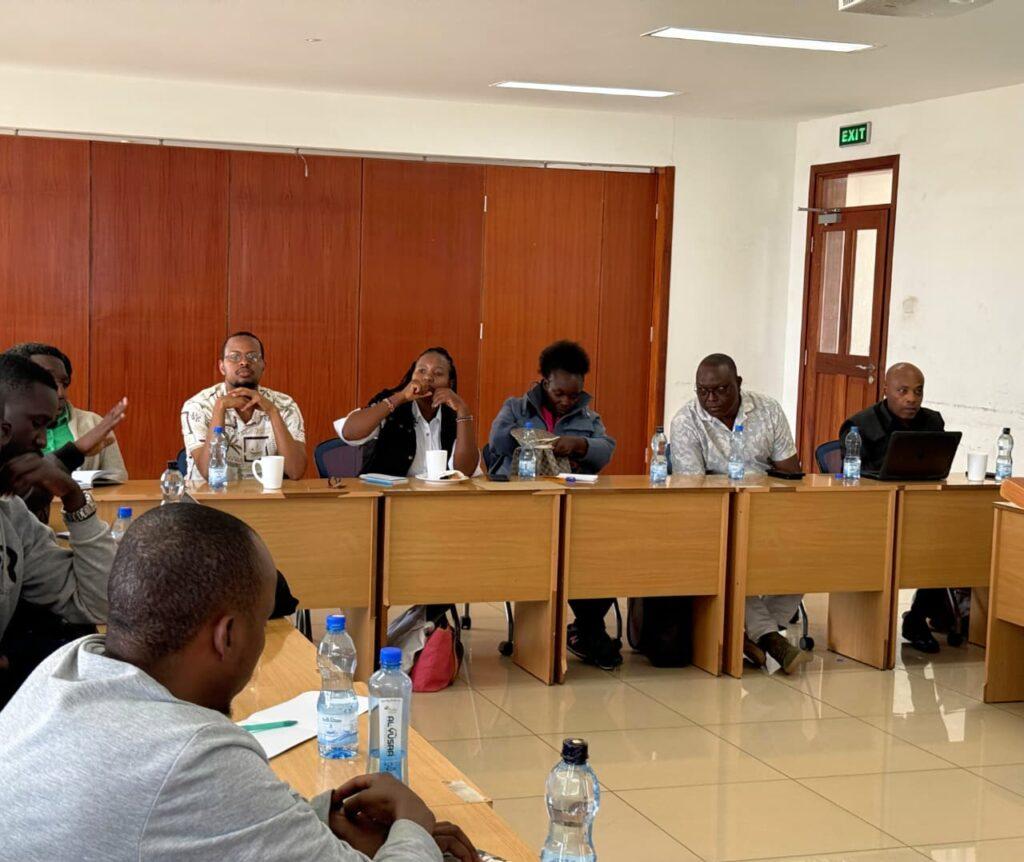
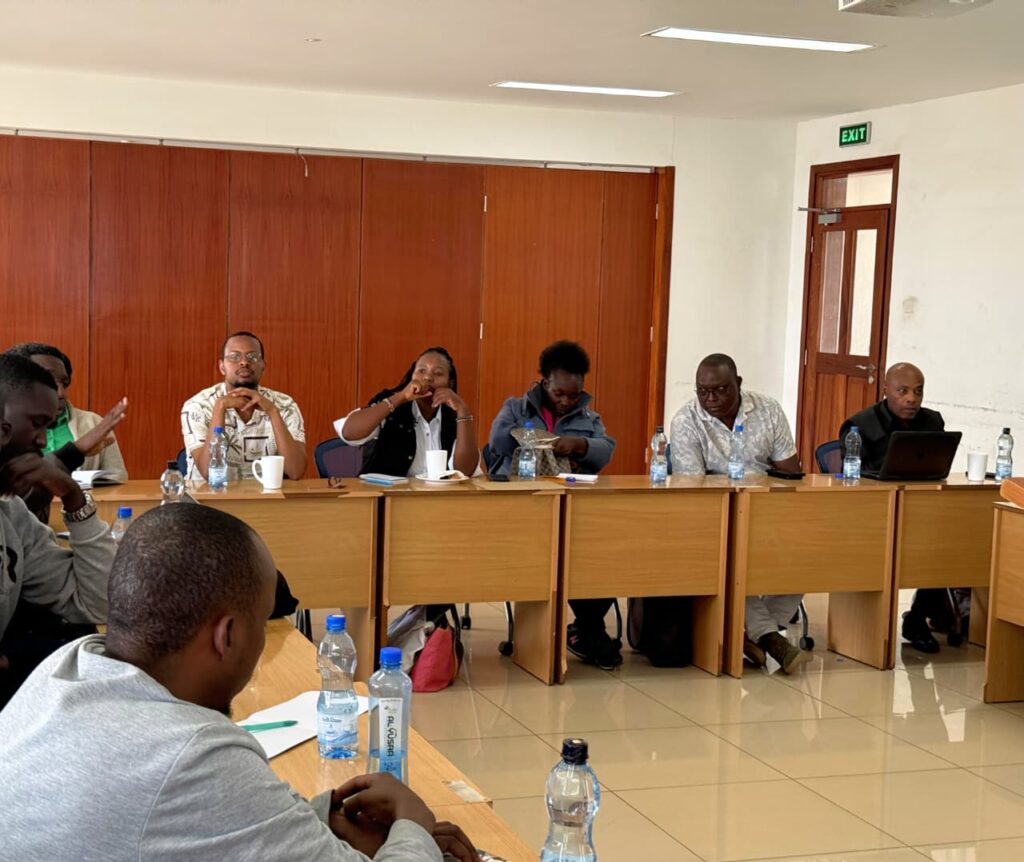
This was among the key messages shared by researchers and industry experts during a seminar organised by the Institute for Development Studies (IDS) at the University of Nairobi and Gatsby Africa.
The executive public seminar, held under the theme “Debating Evidence on Growth: A Postgraduate Seminar on Kenya’s Economic Potential and Future,” brought together development researchers, economists and postgraduate students to discuss how Kenya can improve productivity and compete better in global markets.
Research Professor of Development Studies at IDS, Prof. Karuti Kanyinga, challenged Kenyan businesses and innovators to look at artificial intelligence (AI) as a tool for increasing production rather than a threat to jobs and businesses.
He said Kenyan companies would need to embrace technology as global markets introduce stricter requirements on issues such as carbon emissions, renewable energy and supply chain traceability.
According to Kanyinga, businesses that adopt digital tools and AI will be better placed to meet these requirements while also improving the amount they can produce within a given period.
He argued that Kenyan firms should focus on increasing productivity and producing goods that can compete in international markets in terms of both quality and volume.
Kanyinga pointed to Morocco as an example of what countries can achieve when government and the private sector work together to develop industries for export.
He cited Morocco’s growth in the automotive sector, where the country has attracted global vehicle manufacturers and now exports vehicles to European markets.
He said Kenya could pursue a similar approach by having the government provide clear policies, coordinate different sectors and direct resources towards industries with the potential for growth.
Moving Beyond Raw Exports
Gatsby Africa Project Lead Abigael Kariuki also called for a shift in Kenya’s approach to exports, particularly in agriculture.
She said Kenya continues to lose out on potential earnings by exporting products such as tea and coffee in raw or minimally processed form, leaving foreign companies to capture much of the value through processing.
Kariuki said Kenya has opportunities in areas such as agro-processing, horticulture, garments, pharmaceuticals and electronics assembly.
She argued that increasing productivity within existing industries while developing new manufacturing sectors would help the country create more economic value locally.
For agriculture, this would mean doing more processing and packaging locally before products are shipped to international markets.
Kariuki also identified predictable government policies as an important factor in attracting investment.
She said investors need confidence that tax and trade policies will remain stable over several years, particularly when putting money into projects that take time to recover their costs.
Another area she highlighted was the development of well-coordinated industrial zones where investors can access essential services in one place.
This includes reliable electricity, water, land, skilled workers, customs services and quality standards.
She pointed to the Naivasha Special Economic Zone and its connection to the Standard Gauge Railway, as well as Konza Technopolis and its links to the national fibre network, as examples of infrastructure that can support industrial development when different services are planned together.
The discussions come as Kenya continues to search for ways to increase exports, attract investment and create jobs for a growing population.
The experts said achieving this will require more than setting up individual projects, with coordinated government policy, private-sector investment and greater use of technology needed to move Kenya towards higher-value production.
The post Kenya Urged to Focus on Value-Added Exports, AI to Drive Industrial Growth appeared first on Tukio.