
KRA Issues Fresh Tax Rules Every Chama and Women’s Group Should Know
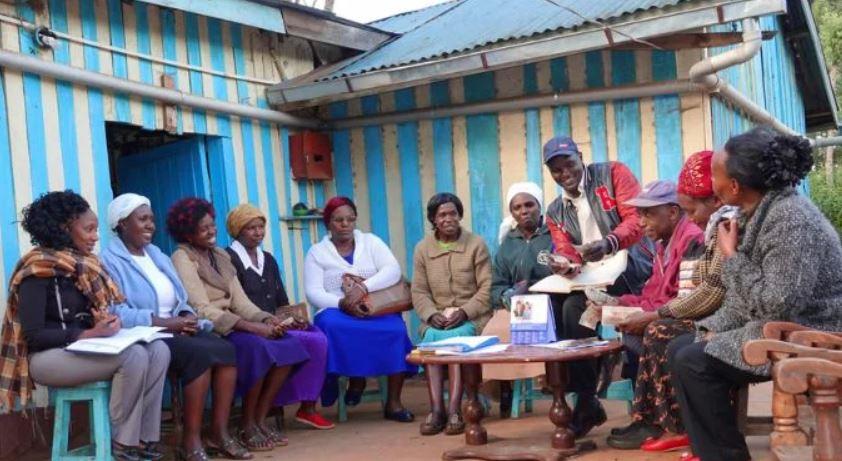
 The Kenya Revenue Authority (KRA) has launched a nationwide initiative offering free tax education sessions tailored for women entrepreneurs, chamas, self-help groups, and fellowship networks.
Announcing the program through a notice on August 3, the tax collector aims to help women-led entities grasp their tax obligations early, protecting them from costly compliance errors later on.
“We are inviting women in business, chamas, self-help groups, fellowships, and other women networks to register for free Tax Education Sessions,” KRA stated.
The campaign, dubbed Empowering Women Through Tax Education, ranks among KRA’s primary outreach focus areas this year. The revenue body designed the practical training to equip women with essential financial knowledge, enabling them to make informed decisions and scale their enterprises with confidence.
Groups looking to participate can sign up via a simple registration form that captures their organization name, email address, group type, physical location, phone contacts, and membership numbers.
Alongside the training announcement, the authority reminded Chama members that their groups assume binding tax liabilities once financial transactions begin.
Tax Compliance Requirements for Chamas
Many women’s groups operate under the misconception that informal or registered status grants them an automatic tax exemption. However, Kenyan tax laws classify all generated profits, commercial investment returns, and business income as taxable revenue.
To remain compliant, every chama must acquire a dedicated group KRA PIN, distinct from its members’ individual PINs, by submitting group official details, a written constitution, and registration minutes.
Following PIN registration, group officials must activate Income Tax obligations on the iTax platform and submit annual returns, including NIL returns during non-earning periods, to keep the account active.
While basic merry-go-round contributions and table-banking seed money qualify as non-taxable savings, any interest generated from internal lending or external investments incurs tax liabilities.
Tax Rules for Non-Profit Organizations (NPOs)
KRA also clarified how tax regulations apply to non-profit entities. Donations and grants received strictly to fund charitable operations remain exempt from taxable income.
This policy covers several categories:
-
Human Rights & Advocacy Groups
-
Religious Institutions
-
Relief & Emergency Organizations
-
Community & Job Support Groups
-
Health & Human Services
However, when an NPO engages in commercial or income-generating projects, those earnings attract tax unless the organization secures an official tax exemption certificate from the Treasury.
Regardless of exemption status, all NPOs must obtain a KRA PIN, deduct Pay As You Earn (PAYE) from staff salaries exceeding Ksh 24,000, and remit the funds by the 9th of each month.
Furthermore, NPOs carry no blanket exemption from Withholding Tax on professional, consultancy, or agency fees, nor are they exempt from standard VAT on supplier invoices unless specific statutory exemptions apply. NPOs seeking customs duty relief must submit separate applications through the NGO Board and the National Treasury.
The post KRA Issues Fresh Tax Rules Every Chama and Women’s Group Should Know appeared first on Nairobi Wire.