
Sakaja Reveals New Plan to Identify Nairobi’s Unclaimed Bodies
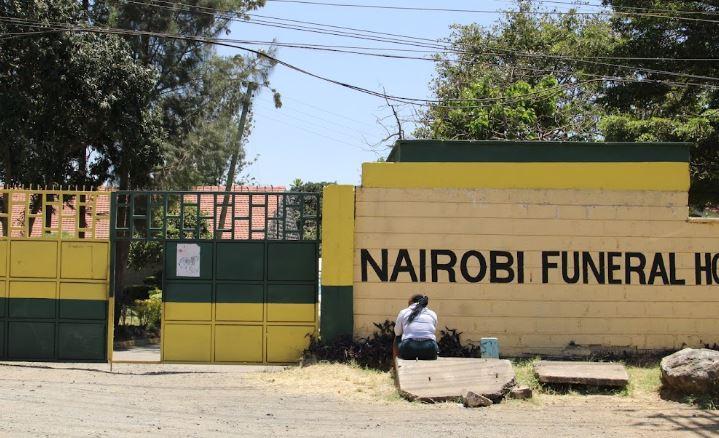
 Nairobi City County plans to adopt modern biometric identification technology to overhaul how authorities identify unclaimed remains and assist families searching for missing loved ones.
Nairobi Governor Johnson Sakaja has urged the National Registration Bureau (NRB) and the National Police Service (NPS) to modernize biometric identification and family-tracing frameworks. Under the proposed plan, mortuary officials will capture fingerprints and other biometric identifiers from bodies arriving without documentation. Cross-referencing these records against national registration databases and missing-person reports will allow authorities to identify the deceased faster and connect with surviving relatives.
Severe Congestion Triggers Court Action
The urgent call for technology modernization comes as the Nairobi City County Funeral Home, formerly known as City Mortuary, struggles with severe overcrowding. The facility currently holds 473 unclaimed bodies despite having a designed holding capacity of just 184.
The remains were brought to the mortuary between March 2025 and March 2026. In response to the crisis, the county published the details of the deceased in two major daily newspapers, urging families to inspect the lists and identify their relatives.
The mandatory seven-day public notice period expired on August 18, 2026. County officials confirm they will now petition the court for orders authorizing the legal disposal and mass burial of the unclaimed remains.
How the Biometric and DNA System Works
The proposed digital upgrade will complement forensic tools already in use across Kenya’s public mortuary network:
- Biometric Cross-Referencing: Digital fingerprinting will link directly to national identity databases maintained by registration authorities, identifying documented citizens almost instantly.
- DNA Profiling: Pathologists collect DNA samples during post-mortem examinations. The government chemist stores these genetic profiles, allowing families to verify biological relationships even after public disposal takes place.
- Inter-Agency Integration: Real-time data sharing between police stations, homicide units, registration bureaus, and county mortuaries will resolve missing-person reports without records sitting isolated in separate administrative silos.
Public mortuaries operate under strict legal timelines. Bodies remain in refrigerated storage during the mandatory notice period before the county initiates court proceedings for disposal. Having previously overseen the lawful disposal of over 1,000 unclaimed bodies, Nairobi County aims to use this technology to reduce the long-term backlog and afford dignity to missing persons and their families.
The post Sakaja Reveals New Plan to Identify Nairobi’s Unclaimed Bodies appeared first on Nairobi Wire.