
Sickle Cell, Cancer, Free Deliveries: Everything That Changed in SHA’s New Healthcare Package
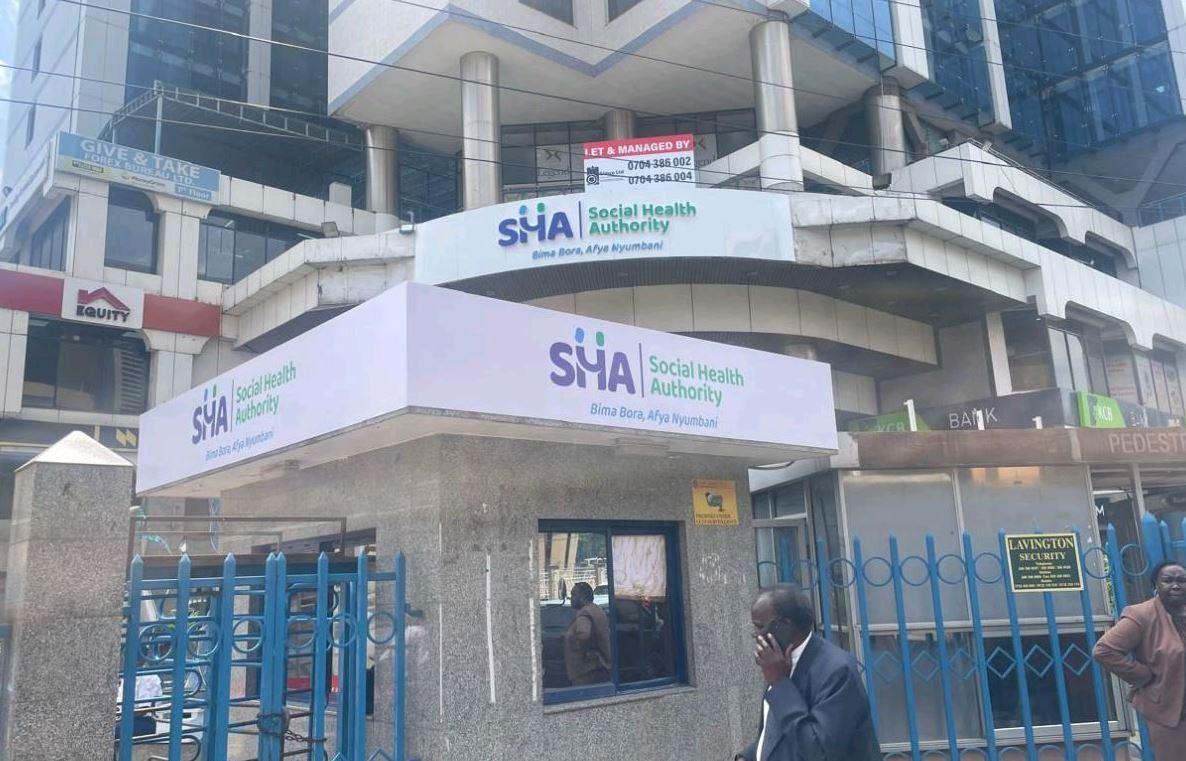
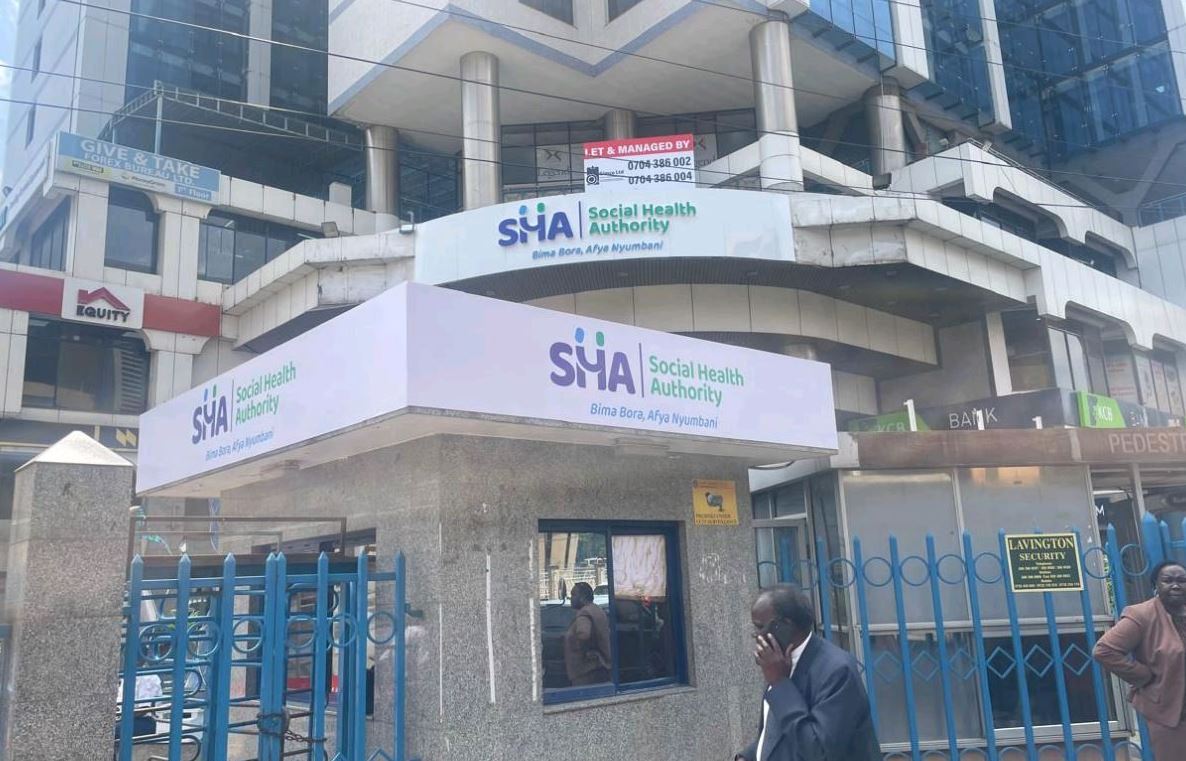 Pregnant women registered under the Social Health Authority no longer need to worry about hospital bills. The SHA has revised its benefit packages to give expectant mothers free access to maternity services, from prenatal checkups straight through to delivery, simply by being registered members.
The shift marks a significant departure from the previous system, which required pregnant women to hold fully paid-up memberships before they could access care at Level Two and Level Three hospitals. Under the new guidelines, registration alone is enough to unlock those services at no out-of-pocket cost.
Margaret Macharia, Deputy Director of the Benefits Package and Tariffs Advisory Panel, described exactly what that means in practice.
“You can walk in and walk out in any Level Two and Three hospitals when you are expectant, you will get your ANC for free. When it comes to delivery, you will deliver for free. In case you need a referral, you will be referred for free,” said Margaret Macharia.
To make sure no mother slips through the cracks, the Ministry of Health has ring-fenced funds through the Primary Healthcare Fund specifically for expectant mothers who cannot afford their regular SHA contributions.
The SHA has also set clear reimbursement rates for healthcare providers: Ksh 10,000 for normal deliveries and Ksh 30,000 for caesarean sections. Selected Level Three facilities, vetted by the Kenya Medical Practitioners and Dentists Council, are now authorized to perform C-section procedures under the scheme.
Cancer Patients Get a Major Financial Boost
The revised benefit packages, officially gazetted on Monday, bring equally significant relief for cancer patients across the country. The SHA has raised the annual coverage cap for cancer treatment from Ksh. 550,000 to Ksh. 800,000, a move that directly addresses one of the most persistent complaints from patients and advocacy groups: running out of insurance coverage before completing treatment.
The new framework also brings much-needed clarity to what was previously a vague and frustrating process. Macharia acknowledged the gaps in the old system.
“When it comes to diagnostics, it was just a loose definition that we will pay for your histopathology, but it didn’t say how many markers or times you will be done,” stated Margaret Macharia.
The updated package now covers up to Ksh 2,500 per visit for specialized consultations, with up to four sessions available. This means patients can access oncologists, nutritionists, mental health professionals, and palliative care specialists – all under one benefit package.
Additional support includes Ksh 5,000 for chemotherapy administration, up to Ksh 15,000 for chemo port equipment and insertion, and Ksh 500 for each full blood count test.
Perhaps most notably, the SHA has plugged a glaring gap in the previous package by adding coverage for side effects from chemotherapy and radiotherapy.
“The initial package had omitted supportive care treatment. You know when you undergo chemo or radiotherapy, you get illnesses like nausea, so now what has been defined in the package and capped at Ksh. 10,000,” said Margaret Macharia.
Sickle Cell Patients Gain Access to Life-Saving Procedures
For the first time, Kenyans living with sickle cell disease will have SHA-funded access to specialized blood procedures that were previously out of financial reach for many. The new gazette notice explicitly includes apheresis platelets and red cell exchange, two critical interventions covering at least three sessions per policy period.
“What this gazette notice does is that every Kenyan is aware that those two interventions, the blood-related interventions, are for sickle cell patients and they are aphaeretic platelets and red cell exchange, and we are paying for at least three sessions in a policy period,” Macharia stated.
The government has also more than doubled the Emergency, Chronic, and Critical Illness Fund allocation, raising the ceiling from Ksh.150,000 to Ksh.400,000, consequently strengthening the financial safety net for patients battling life-threatening or long-term conditions.
Industry Welcomes Changes, but Urges Action on Implementation
The Kenyan Network of Cancer Organizations (KENCO) welcomed the revised package as a meaningful step toward more equitable healthcare, noting that the changes directly tackle financial barriers that have long stood between patients and effective treatment.
However, the organization stopped short of declaring the job done. KENCO called on the government to ensure seamless access across all accredited facilities and to clear the administrative bottlenecks, including slow claim processing and delayed approvals that have historically undermined the system’s promise on paper.
The post Sickle Cell, Cancer, Free Deliveries: Everything That Changed in SHA’s New Healthcare Package appeared first on Nairobi Wire.