
Treasury Eyes Tolls on Nairobi–Thika Highway in KSh100bn PPP Plan
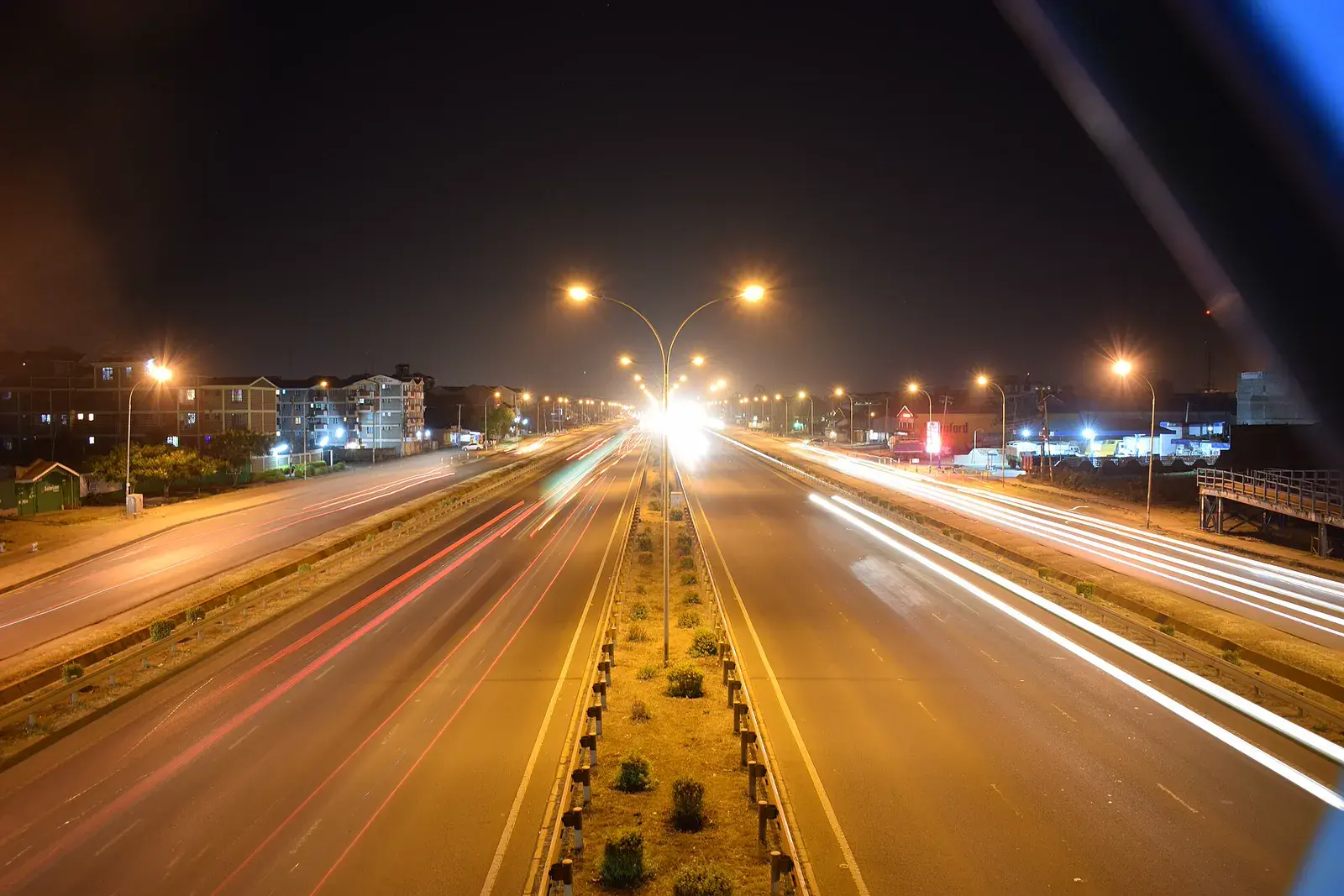

Commuters between Nairobi and Thika could end up paying more for their daily matatu ride if a KSh100 billion plan to toll the highway goes through.
The National Treasury has listed the Nairobi–Thika–Juja–Kenol–Sagana–Marua highway among proposed Public-Private Partnership projects in the 2027 Budget Policy Statement. The corridor would run on a user-pay model, meaning motorists pay toll charges to use it once the arrangement is up and running.
The project carries a KSh100 billion price tag under a 30-year contract, with the government targeting financial close in the 2028/29 financial year.
The idea is that a private investor puts up the money, builds and runs the road, then recovers the investment through toll collections. The Treasury spells out the arrangement in the policy statement: “the private party bears the commercial and demand risks and there is no Government payment or contingent liability to Government.”
That is the theory. On the ground, the people most exposed are the thousands who use the corridor daily.
Matatu fares on the route currently sit at about KSh100 from Nairobi CBD to Thika during off-peak hours, with standard fares at KSh150 and peak-hour trips hitting KSh200. For a commuter paying KSh150 each way, the return journey costs KSh300 a day — KSh1,500 a week across five working days.
Over 22 working days, that comes to roughly KSh6,600 a month.
A 10 per cent fare increase would push the one-way fare from KSh150 to KSh165 and the monthly bill to KSh7,260. A 20 per cent rise takes the fare to KSh180 and the month to KSh7,920. At 30 per cent, the one-way fare climbs to KSh195 and the monthly bill to KSh8,580.
Those are illustrative scenarios, not announced fares. But they show the direction of travel if matatu operators pass on higher operating costs to passengers. Whether they will depends on the toll rates, where the charging points sit and whether PSVs get a different deal from private motorists — none of which the Treasury has disclosed.
The highway also carries an estimated cumulative maximum contingent liability exposure of KSh120 billion across FY 2028/29 and FY 2029/30. That figure is a projected fiscal risk exposure, not what motorists will pay at the barrier.
The Nairobi–Thika corridor is not alone. The Mombasa Northern Bypass and the Nairobi Southern Bypass are also on the list of proposed toll-funded infrastructure projects.
The Treasury argues the model has its place: “Public Private Partnerships (PPPs) remain an important mechanism for mobilizing private sector capital, expertise and innovation for the delivery of public infrastructure and services.”
It says each project will go through assessments covering affordability, value for money and the financial obligations arising from the contracts.
For now, the tolling plan remains a proposal. It still needs the necessary approvals and completed contractual agreements before any barrier goes up on the Nairobi–Thika road.
The post Treasury Eyes Tolls on Nairobi–Thika Highway in KSh100bn PPP Plan appeared first on Nairobi Wire.