
What Every Parent Should Know About Measles Right Now
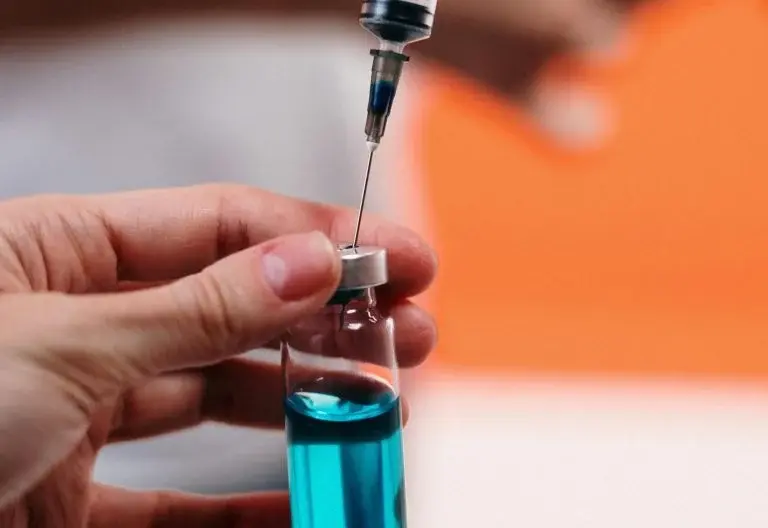
A person holding a vaccine
Measles has returned to the spotlight—and it is far from a harmless childhood illness.Health experts are raising concern as the highly contagious airborne virus continues to spread globally, even in regions where it had nearly been eliminated.
The World Health Organisation (WHO) warns that measles can be deadly, particularly for young children who are unvaccinated.

In 2024 alone, an estimated 95,000 people worldwide—most of them children under the age of five—lost their lives to measles, despite the availability of a safe, effective, and affordable vaccine.
For parents today, this resurgence serves as a sobering reminder that protection against measles remains essential.
Symptoms Parents Should Never Ignore
While the telltale rash is widely associated with measles, it is usually not the first symptom to appear. According to WHO, the illness typically develops 10 to 14 days after exposure and often begins with symptoms that resemble a severe flu.
Early signs include a high fever, persistent cough, runny nose, and red, watery eyes. One of the most distinctive warning signs is the appearance of tiny white spots with bluish centres inside the mouth, known as Koplik spots.
Within a few days, a red, blotchy rash emerges on the face and upper neck before spreading to the rest of the body, including the torso, arms, legs, hands, and feet. The rash usually lasts around a week.
Parents are urged to seek medical attention immediately if a child develops a combination of fever, cough, red eyes, and a spreading rash.
Why Measles Is So Dangerous
Measles spreads through the air when an infected person coughs or sneezes, and the virus can linger in the air for up to two hours. Alarmingly, a single infected child can transmit the disease to as many as 18 others, making measles one of the most contagious illnesses known.
Beyond the rash and fever, measles can lead to serious complications such as pneumonia, severe diarrhoea, ear infections, blindness, and brain inflammation (encephalitis). In malnourished children or those with weakened immune systems, the disease can quickly become fatal.
Vaccination Remains the Strongest Protection
Health experts stress that vaccination is the most effective way to prevent measles. The measles-containing vaccine provides long-lasting protection and is typically given in two doses during early childhood.
When vaccination coverage drops, outbreaks become more likely—even in communities that had previously controlled the disease. This is why WHO continues to urge parents to ensure their children are fully immunised according to national schedules.
What Parents Should Do Now
Parents are advised to check their children’s immunisation records and consult healthcare providers if they are unsure about vaccination status. If measles is suspected, caregivers should avoid crowded places and seek medical care promptly to prevent further spread.
As measles cases rise again, health officials warn that complacency is dangerous. The disease may be preventable, but without vigilance, it remains a serious threat—especially to the youngest and most vulnerable.