
News
World Bank demands anti-corruption reforms in Kenya
The World Bank has called on Kenya to speed up the implementation of anti-corruption reforms after approving a new funding package aimed at supporting the country's economic recovery and development.

World Bank demands anti-corruption reforms in Kenya
By Nancy Wangare.
Nairobi, July 10, 2026. The World Bank has called on Kenya to speed up the implementation of anti-corruption reforms after approving a new funding package aimed at supporting the country's economic recovery and development.
This appeal follows the international lender's approval of a new funding package on June 29, ending months of delays due to concerns about Kenya's progress in improving transparency and accountability within public institutions. The World Bank states that these reforms are necessary to ensure public resources are used effectively and to regain investor confidence in the country's economy.
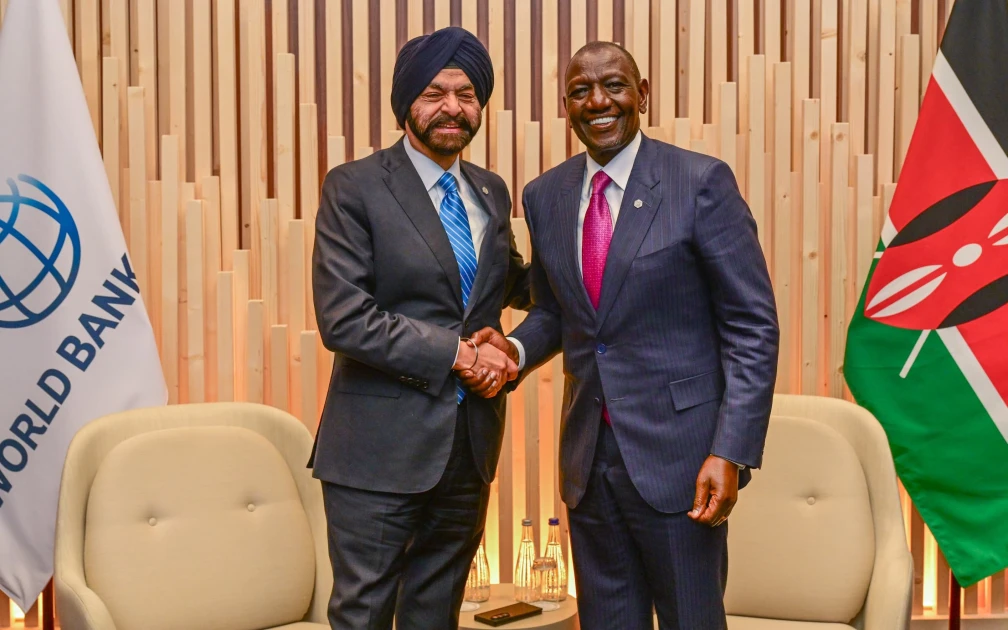
Corruption has been a significant issue in Kenya, affecting service delivery, public procurement, and government spending. The topic has also been a major part of public discussions, with citizens increasingly calling for more accountability from state institutions.
Economic analysts believe that implementing the recommended reforms could improve Kenya's investment climate and help the government attract both local and foreign investors. They point out that stronger oversight of public funds would also promote sustainable economic growth and enhance the delivery of essential public services.
The World Bank acknowledged Kenya's efforts to stabilize its economy but stressed that long-term development relies on stronger governance systems. Among the proposed measures are better procurement procedures, greater oversight of public spending, and harsher penalties for corruption-related offenses.
Government officials have reiterated their commitment to combating corruption through ongoing institutional reforms and cooperation with oversight agencies. They argue that progress has been made in enhancing financial management and bolstering public accountability while noting that additional reforms are already in progress.
This latest development has caught the attention of the public as Kenyans deal with rising living costs, unemployment, and a growing demand for efficient use of public resources. Many citizens have welcomed the calls for more transparency, arguing that reducing corruption would free up more resources for healthcare, education, infrastructure, and job creation.
As Kenya continues to implement economic reforms, stakeholders say that lasting political commitment and effective enforcement of anti-corruption laws will be vital for rebuilding public trust and ensuring that development funds provide meaningful benefits to citizens. The World Bank's recommendations are expected to be a key topic of discussion among policymakers, civil society groups, and the business community in the coming weeks.
Share: